
Diwa Fun Bonus Guide – Eligibility Checks
How to read a Diwa Fun credit during a single sitting, without turning the card into a wage.
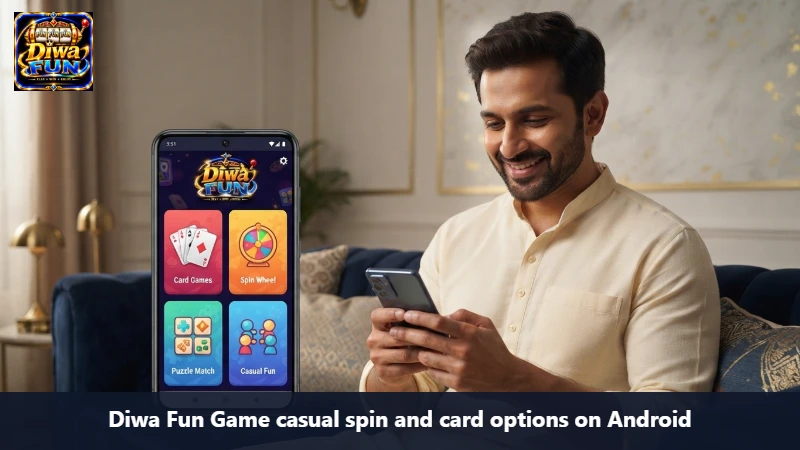
The card has to be in the app
A credit, when Diwa Fun offers one, appears after sign-in on a card you can scroll. It is not issued by this writer. To claim it you follow that card: the person it names, the expiry it prints, and the play it demands. If one of those lines is absent, leave the card alone.
Do not paste a figure from another site into the gap. Check the LIVE in-app offer. A gap is a skip, not a puzzle.
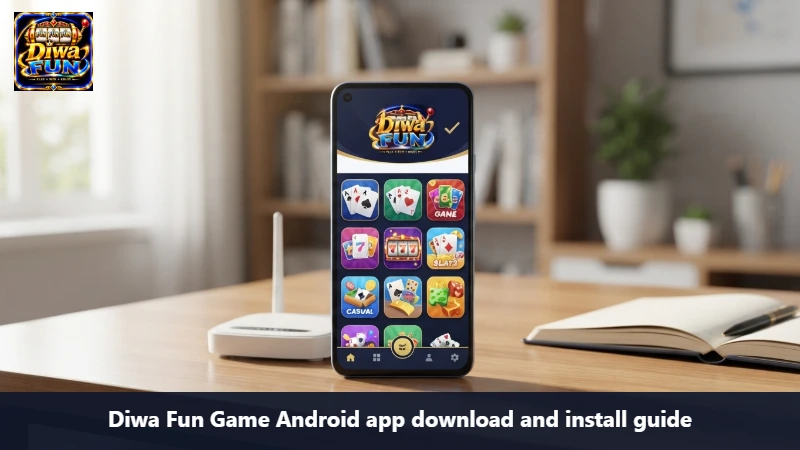
Keep the person consistent
The profile, the human holding the phone, and any UPI name should be one person. A borrowed ID makes a later check look like a failure of the app when it was a failure of the name. Do not create a second Diwa Fun profile to shop for a louder card.
The writer cannot view or press the card, and cannot argue a missing credit. The pixels in your hand are the authority.
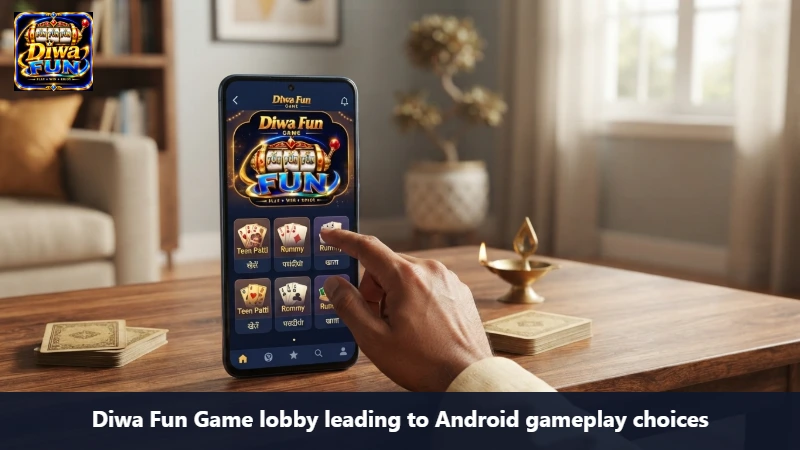
End the errand on purpose
Once the card is accepted or refused, stop. Do not sample extra titles to coax the number. The credit is not salary for a careful sitting, and it is not cash that has already left for a bank.
Store a reference privately if the app gives one. Then use the choice notes only if you still have the appetite to pick a single title. Often you will not, and that is fine.
The card has to be in the app
A credit, when Diwa Fun offers one, appears after sign-in on a card you can scroll. It is not issued by this writer. To claim it you follow that card: the person it names, the expiry it prints, and the play it demands. If one of those lines is absent, leave the card alone. Do not paste a figure from another site into the gap. A gap is a skip, not a puzzle.
Check the LIVE in-app offer each time you look. Amounts remembered from chats or videos are not yours. When your card shows a number, that number is for that sitting. This guide never prints a fixed welcome figure, because the writer cannot see your screen.
Mood wants to hurry. Hurry skips fields. Make one slow pass, then accept the printed rules or refuse them. Friendly colour is not a field. Extra titles the card did not name are not a field.
Keep the person consistent
The profile, the human holding the phone, and any UPI name should be one person. A borrowed ID makes a later check look like a failure of the app when it was a failure of the name. Do not create a second Diwa Fun profile to shop for a louder card.
The writer cannot view or press the card, and cannot argue a missing credit. The pixels in your hand are the authority. Pins and codes stay inside the app, typed by you, only when you asked for them. A stranger who arrives with the offer and asks you to read a code aloud is not part of the claim.
When acquaintances recite another figure, ignore it until your own card appears. Their sitting is separate. Cross-checking devices invents a third amount neither screen printed.
Required play is a cost
A card that demands play is describing spend, not a drawer gift. The play can lose. Add that possible spend to the cash number you already wrote, or refuse the card. Do not treat the credit as salary already earned.
Count presses. A reel can finish many rounds while minutes still look generous. Cards may move slower with larger stakes. Write the possible cost beside the headline. If the cost breaks your sitting’s edge, the card does not fit tonight.
Halfway through a requirement is not a reason to ignore the clock. A requirement that outruns the clock is a requirement to refuse. Stopping may forfeit the line. Forfeiting a line you cannot finish calmly is cheaper than finishing it tired. The notes call that a working limit.
End the errand on purpose
Once the card is accepted or refused, stop. Do not sample extra titles to coax the number. The credit is not wages for a careful sitting, and it is not cash that has already left for a bank. Store a reference privately if the app gives one.
Then use the choice notes only if you still have appetite to pick a single title. Often you will not, and that is fine. Reopening the claim notes every few minutes to see if a line appeared is not diligence. It is a way to stay in the lobby without admitting you are staying.
Do not mail the desk a photo of an empty state as a grievance. The writer cannot adjudicate a card that never appears on this site. A quiet history in the app is an answer: nothing further to claim.
Stories that are not on the card
Careful reading is not wages. A missing line is not a debt the guide recognises. A friend’s figure is not a promise under your button. Expiry is not a dare. If time is short and you cannot read calmly, let the offer pass. Passing is not losing money you already held. It is declining an offer you did not finish understanding.
When stories get loud, return to person, expiry, and required play. Decide once if those answers exist. Skip if they do not. Then leave this page. The rest of Diwa Fun is a different sitting with a different guide.
Some adults open the lobby only because they heard a card exists. These notes allow that errand and then end it. Look once. Follow printed play and stop, or leave. Do not stretch the sitting so a line might notice you later. Later is another day, and it may still show nothing.
A second glance is a new sitting
Offers stay easy to reopen. Call the second glance a new sitting. Write new minutes even if the cash number stays. If you will not write the minutes, you do not get the second glance. The app will not enforce that. You will.
Compare the live card to the fields you wrote, not to a warm memory of the headline. Memory drops requirements. If you never wrote the fields, you are reading first while tired. Tired first readings accept play lunchtime readings would refuse.
If the second glance matches your written fields and still fits the cash edge, follow the printed rules and then halt. If it conflicts, trust the card on screen, rewrite the fields, or walk away. There is no middle lane called almost. Almost is how claim notes stretch into a long evening.
Eligibility without a printed welcome figure
Eligibility sits on the LIVE in-app offer: who it addresses, when it ends, what play it requires. Claim notes will not invent a missing number. Inventing one would turn this page into a coupon the writer cannot honour. A blank card ends the errand for this sitting.
Walk the fields in a repeatable order. Who. When. Required play. What happens if you only finish part of it. Missing answers mean unfinished. Unfinished means skip. Skipping beats inventing a deadline while rushed.
Avoid reopening the offer every few minutes to hunt for a new line. That pattern is a sitting that will not admit it is still running. One look. One decision. Then leave. What you accepted is recorded in the app’s history, not on this page.
Folding a UPI transfer into the same minute as reading a credit turns a small line into a larger stake. If payment belongs at all, it belongs after you stop staring at the card. The notes never require that mix.
Make the claim errand boring on purpose
Boring is the goal. One slow reading of the LIVE in-app offer. One decision. One exit from the offer area. Excitement belongs to artwork, not to eligibility. Eligibility is paperwork with a stake attached, and paperwork deserves a calm minute.
If calm is unavailable, skip. Skipping an offer you cannot read steadily is cheaper than accepting one you will misunderstand under noise. Misunderstanding under noise is how required play outruns the minutes you wrote.
Keep references private if the app shows any. A status line is for you, not for a group chat. Group chats supply confident advice from people who cannot see your card. Confidence is not eligibility.
When the errand ends, resist reopening the offer “just to confirm.” Confirmation was the slow reading you already did. A second confirmation is a new sitting in disguise. Disguises spend attention, and attention erodes cash edges.
Cost the required play before you accept
Required play is a price, not a formality. Estimate the stake times the decisions the card demands, then compare that product to your cash edge. If the product breaks the edge, the card does not fit this sitting. Leaving it is cheaper than finishing it tired.
Partial progress is not a reason to ignore the clock. A requirement that outruns your minutes was a requirement to refuse. Forfeiting a line you cannot finish calmly is a limit working, not a waste of an evening.
Check the LIVE in-app offer every return — never a remembered figure from a chat. Memory keeps headlines and drops requirements. Requirements are where cost hides. If a word on the card is unfamiliar, stop on that word and read the app’s own rules, or skip.
Friends’ amounts are not yours. Cross-device comparisons invent a third number neither card printed. Wait for your own screen. Then decide once, leave the offer area, and resist a victory lap through other titles.
One-time codes and PINs belong only in the signed-in app, entered by the account holder after they asked for them. A stranger arriving in the same hour as an offer is timing a trick, not completing a claim.
A card is not the sitting’s purpose
Some adults open Diwa Fun only because they heard a card exists. The claim notes allow that errand and then end it. Look once at the LIVE in-app offer. If the card names you, follow its printed play and stop. If it does not, leave.
Do not stretch the sitting so a line might notice you later. Later is a different day, and it may still show nothing. Do not invent a fixed welcome figure this page never printed.
UPI does not get a vote while you are staring at the card. Payment, if it belongs at all, belongs after you have stopped. Mixing a transfer into the same minute as a credit is how a small line becomes a larger stake.
If the card uses a word you do not know, stop on that word. Search it in the app’s own rules, or skip the card. A skipped card still leaves the choice to do nothing.
Questions
No. You do that inside Diwa Fun, or you skip it.
Wait for your own card. Their number is not yours.
No. It is not a prediction.
No. Match it to the profile or stop.
Leave the card on its page
The claim notes are finished when you have either used the card or declined it. Checking it again from the lobby every few minutes restarts the sitting.
18+ Safety Notice
Diwa Fun claim notes are for adults 18 and older. The card may be missing, and any play it asks for can lose.